
The short answer
When you weigh renovations before selling in South Florida, the projects that tend to matter most are the ones a buyer’s insurer and inspector look at closely: the roof, air conditioning, water heater, electrical panel and plumbing, plus windows and doors, which can affect windstorm credits. Modest cosmetic work helps when it is neutral and finished, while large remodels rarely make sense in the months before a sale.
- Price first: Get a broker opinion and recent comparable sales before you spend anything.
- Systems over finishes: Insurers and inspectors focus on the age and condition of major systems.
- Permits matter at closing: Unpermitted work and open permits can complicate a closing, so check your permit history early.
- Watch the calendar: Hurricane season can slow work, and some insurers pause new coverage when a storm threatens.
The full picture
How to decide on renovations before selling
Start with a free step: ask a broker for an opinion of value and look at recent comparable sales near you. If updated homes and original-condition homes sold close together, a big project may not move your price much.
Then get written quotes from licensed contractors that spell out scope, materials, who pulls the permit and timing, and weigh the total, plus carrying costs during the work, against what the comparables suggest. A home valuation and our guide to pricing to sell are good places to start.
- Fix it before listing when the problem would likely block a buyer’s insurance or loan, or when it is simple and inexpensive.
- Offer a credit or price adjustment when the work is large, slow or a matter of taste. Loan programs have rules on seller credits, so check with the buyer’s lender.
- Sell as-is and price it in when you would rather not take on a project.
The systems that drive insurance and inspections
A buyer with a mortgage usually needs homeowners insurance to close, and underwriting focuses on a few systems. Citizens Property Insurance Corporation, the state-created insurer, requires a four-point inspection of the roof, electrical, plumbing and heating and cooling systems with applications for homes more than 20 years old (as of October 2026). Its sample form also asks for the date of the last roofing permit and tells agents not to submit applications for homes with existing hazards or systems not in good working order. Other insurers set their own rules, and these change often.
- Roof: Under section 627.7011, Florida Statutes, an insurer may not refuse to write or renew a homeowners policy solely because a roof is less than 15 years old. For a roof at least 15 years old, the owner must be allowed an inspection first, and age alone cannot be the reason for refusal if it shows at least five years of useful life left. Citizens asks for that documentation on shingle roofs over 25 years old and tile, metal and other hard roofs over 50.
- Windows and doors: Florida law requires insurers’ rate filings to include discounts or other credits for qualifying windstorm features, such as opening protection (section 627.0629), but the amount depends on the insurer and the inspection.
- AC, water heater, electrical and plumbing: Ages, wiring and pipe types, leaks and hazards such as exposed wiring are recorded.
Fixing an active leak or electrical hazard before listing can head off a renegotiation. Our guides to the four-point inspection and roof age and insurance go deeper.
Roof and window costs depend on material and size, repairs found once old roofing comes off, the number and size of openings, and code upgrades, so get written quotes. Under section 553.844, a roof replacement on a site-built single-family home must include certain upgrades, such as a secondary water barrier and improved deck attachment. Some homes valued at $300,000 or more in the wind-borne debris region also need roof-to-wall connection work when it fits within a cost limit set in the law.
Cosmetic work: modest, neutral and finished
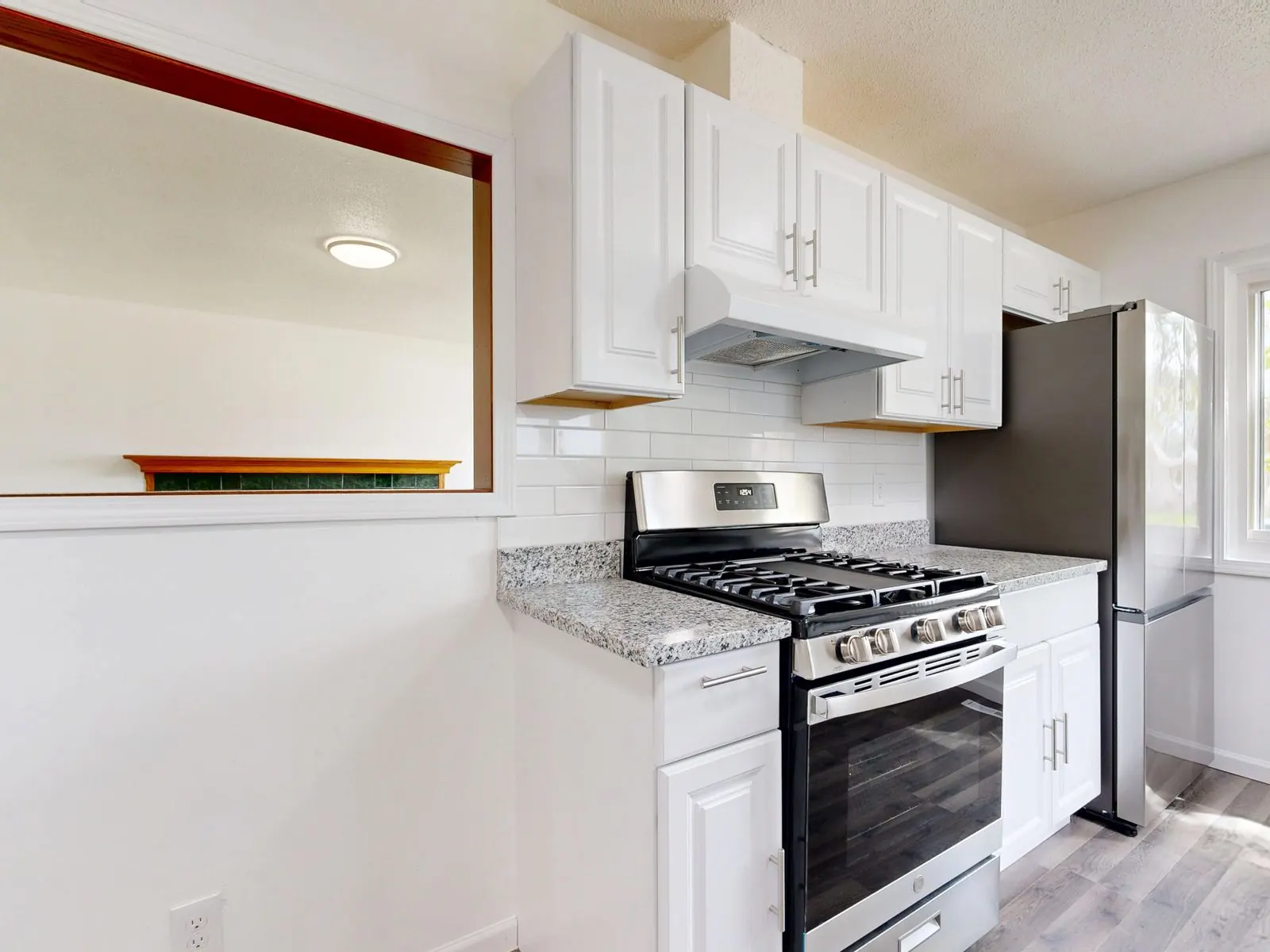
Fresh paint, repaired flooring, updated light fixtures and tidy landscaping help photos and showings, though they rarely affect insurance. Keep choices neutral and finish what you start.
Some building departments list painting, tile, carpet and cabinet or countertop replacement without reconfiguration as finish work that needs no permit, as in the Town of Jupiter’s exemption list. Moving plumbing, adding circuits or replacing a water heater is different. A 2026 state law added a permit exemption for some single-family work valued under $7,500 (section 553.79(1)(g)), but the owner or contractor must request it in writing, and it excludes electrical, plumbing, structural, mechanical and gas work and any property in a flood hazard area. In a July 1, 2026 notice, Palm Beach County said the exemption does not apply anywhere in the county for that reason. Check with your building department before relying on it.
Treat cost-versus-value surveys as rough direction. Zonda’s national 2025 Cost vs. Value report (the latest edition we found as of October 2026) ranked mostly exterior projects, such as garage and steel entry door replacement, highest for share of cost recouped. Those are national and regional averages, not South Florida figures.
Large remodels right before a sale
A new kitchen, a bathroom gut or an addition usually means plans, permits, several inspections and months of work, and can run past your listing window. Buyers may not share your taste, and you pay before you know the sale price. Unless comparables show a clear premium for remodeled homes and you have time, a large project is often better reflected in price. Our guide to preparing your house for market covers the lighter work that usually comes first.
Doing the work yourself has a catch when you sell. Florida’s owner-builder exemption lets you act as your own contractor on your own home, but if you sell or offer the house for sale within one year of finishing, the law presumes the work was done for sale, which the exemption does not allow (section 489.103(7)). Talk with your building department or a Florida attorney first.
Permits and open permits at closing
Florida law generally requires a permit before you build, alter, repair or demolish a building (section 553.79). Roofs, window and door replacements, AC changeouts, water heaters and most electrical and plumbing work typically need one. An open permit is one issued but never given a final inspection.
The same statute says a building agency may not penalize an arm’s-length buyer solely because a previous owner’s permit was never closed, but it keeps its remedies against the owner and contractor named on the permit. So an open permit you pulled can stay your problem. An owner can close a permit even if someone else applied for it, and an agency may close one six years after issuance if it finds no apparent safety hazard.
- Look up your permit history with your city if you are inside city limits, or the county if unincorporated: the Palm Beach County Building Division, Broward County building permits, St. Lucie County permitting or Port St. Lucie Building.
- Close open or expired permits before you list. This may take a new inspection or a licensed contractor.
- Keep the paperwork: final inspections, invoices and product approvals help with buyers and insurers.
Our home improvement permits guide has more detail.
Timing around hurricane season
The Atlantic hurricane season runs June 1 through November 30, according to the National Hurricane Center. Storms can delay crews, materials and inspections, so plan roofing and window work to be finished and inspected before you list.
Citizens suspends binding of new or increased coverage when the National Weather Service issues a tropical storm or hurricane watch or warning for any part of Florida (see this July 2026 bulletin and its binding alerts page). Other insurers may have their own restrictions. Leave some slack in your timeline during the season.
Condos have their own limits
In a condominium, the declaration and association rules control much of what you can change. Under section 718.113, boards must adopt hurricane protection specifications for each building, and where approval is required, a board may not refuse an owner’s installation that meets them. Associations may also set rules on work hours, contractor insurance and flooring. Get approval in writing before you schedule anything; permits still apply. See our guide to condo renovation rules.
Repairs do not replace disclosure. Florida courts have long required home sellers to disclose known facts that materially affect value and are not readily observable, and Florida law requires a written flood disclosure at or before signing the contract (section 689.302). Fixing a problem does not erase its history. This is general information; ask a Florida attorney what you need to disclose.
Common questions
Should I replace an older roof before I list my house?
It depends on its age, condition and what comparable sales show. A roof inspection and a written replacement quote let you compare replacing it with offering a credit. Confirm current underwriting rules with an insurer.
Is it better to offer a credit instead of making repairs?
Often, for large or taste-driven projects. Problems that would keep a buyer from getting insurance, such as an active leak, may need fixing before closing either way.
Do I need a permit to paint or install new flooring?
Often not for finish work in a single-family home, but local rules vary and condo associations often have flooring rules. Plumbing, electrical, structural, window, door and roof work generally needs a permit.
Will impact windows or a new roof lower a buyer’s insurance premium?
There is no guarantee. Florida requires insurers’ rates to include discounts or credits for qualifying windstorm features, usually documented by a wind mitigation inspection on a state form (section 627.711), but amounts vary. Confirm with an insurer.
Can South Ocean Realty do or manage my renovation?
No. We are a real estate brokerage, not a contractor. We can introduce you to independent licensed contractors for planned projects; you get quotes from them and sign with and pay them directly. We do not quote, bid, supervise, manage or guarantee work.