
The short answer
A wind mitigation inspection documents the parts of your home that help it hold up in hurricane wind, such as how the roof is fastened and how the windows and doors are protected. The results go on a state form, OIR-B1-1802, that insurers use when applying wind credits, and that form was updated on April 1, 2026.
- Who signs it: Florida law names licensed home inspectors with hurricane mitigation training, building code inspectors, certain licensed contractors, engineers and architects, plus anyone else your insurer accepts.
- How credits work: They apply to the hurricane-wind part of the premium, and the amounts depend on each insurer’s filed rates.
- How long it lasts: Up to five years, if the structure has not materially changed and the form is accurate.
- After upgrades: A new roof, impact windows or new doors can change several answers, so plan a new inspection once the permit is closed.
The full picture
What a wind mitigation inspection covers
A wind mitigation inspection in Florida is a close look at the construction features that help a house resist high wind. The inspector checks the roof covering, looks in the attic at how the roof deck and framing are fastened, and checks how each window, door and skylight is protected. The findings go on the Uniform Mitigation Verification Inspection Form, which you give your insurance agent.
Insurers must build discounts, credits or other rate differences for these features into their rate filings under section 627.0629, Florida Statutes, and the form is how you show the features exist. It is not a damage or claim inspection, and it does not grade the house’s overall condition.
The form requires at least one photo or document for each feature marked, so the inspector can only mark what can be seen or documented. You sign to confirm the inspection took place and the inspector showed identification.
Who can sign the form
Section 627.711(2), Florida Statutes, lists the people whose signature insurers must accept:
- A licensed home inspector who has completed at least three hours of hurricane mitigation training approved by the Construction Industry Licensing Board and passed a proficiency exam
- A certified building code inspector
- A licensed general, building or residential contractor
- A licensed professional engineer or architect
- Anyone else the insurer recognizes as qualified, at the insurer’s option
The signer must inspect the home personally, though licensed contractors and engineers may send a qualified direct employee and remain responsible for that work. The Office of Insurance Regulation encourages homeowners to confirm an inspector is authorized; most licenses can be checked on the state’s license search. The statute also bars inspectors from paying insurance agents or agencies for referrals.
The April 2026 form update
The form is adopted under Rule 69O-170.0155, Florida Administrative Code. The Office of Insurance Regulation updated it effective April 1, 2026, after a 2024 wind-loss mitigation study, replacing the January 2012 edition. Inspections on or after that date use the new edition, marked Rev. 04/26. Main changes:
- A new question placing the home in one of three wind regions based on the design wind speed at its location: 140 mph or more, 130 to 139 mph, or under 130 mph
- A roof slope question; for a single-family home with several slopes, the inspector records the slope covering at least two-thirds of the main roof
- Revised answer choices for building code, roof covering, roof deck attachment, roof-to-wall attachment, secondary water resistance and opening protection
- FORTIFIED Home Roof, Silver or Gold certificates can support several answers, with a copy attached
As of October 2026, the Office of Insurance Regulation says it is still evaluating the related discount forms; its wind mitigation resources page has the current form. Citizens Property Insurance Corporation told agents in a March 2026 bulletin that the changes would not then alter the credits it applies.
What the inspector records
The form also covers:
- Building code: which code was in force when the original permit was applied for. Homes permitted under the Florida Building Code, or, in the High-Velocity Hurricane Zone of Miami-Dade and Broward counties, under the 1994 South Florida Building Code, have their own answers here, with a permit application date as proof for transition years.
- Roof covering: each covering type, with a permit date or product approval number and the year installed.
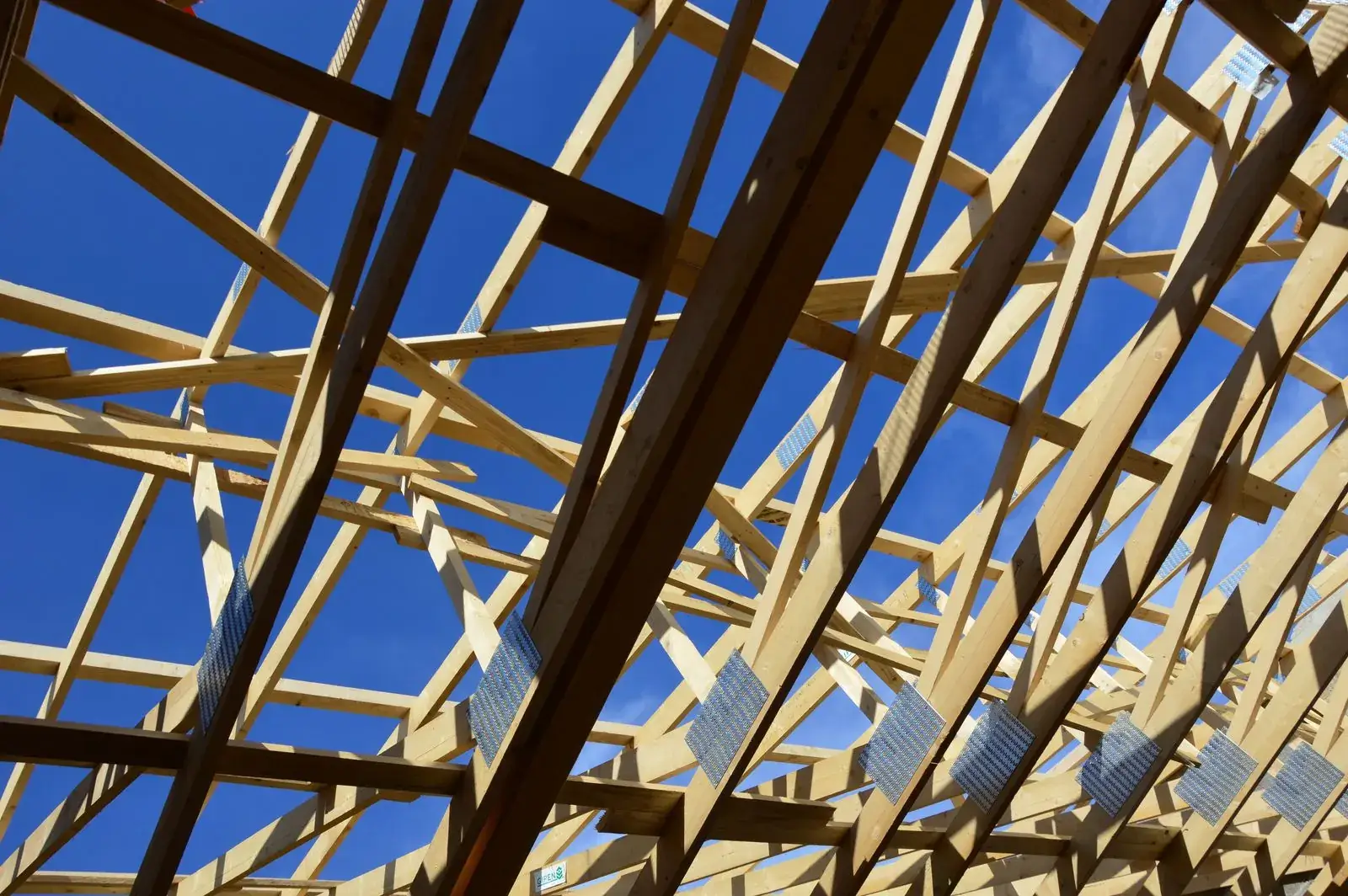
- Roof deck attachment: sheathing thickness and the size and spacing of nails or other fasteners, rated by the weakest found.
- Roof-to-wall attachment: how the roof framing is tied to the walls, from toenails through clips, single wraps, double wraps and structural connections, rated by the weakest.
- Roof geometry: hip roof, flat roof on a building of five or more units, or other.
- Secondary water resistance: a sealed roof deck that limits water entry if the roof covering is lost. Standard underlayment and hot-mopped felt do not count.
- Opening protection: the weakest protection on any window, door, skylight, glass block or garage door. Roof vents are not included.
The weakest opening sets the answer for the whole house. One unprotected window, or shutters with no paperwork showing their rating, can pull the answer down. The form also says a house with openings that need replacement does not qualify for wind mitigation rate differentials at all, so consider repairing damaged openings before the inspection.
How credits apply to your premium
A Florida homeowners premium has a hurricane-wind part and a part for everything else, such as fire, and section 627.0629 requires insurers to separate the hurricane part in their rate filings and premium notices. The Office of Insurance Regulation’s discount notice, last revised in 2010, says mitigation discounts apply only to the hurricane-wind portion and are not simply added together; there is a maximum.
Because each company files its own discounts, the same report can be worth different amounts with different insurers, and the form notes that some items may not qualify. Insurers must send a notice of available discounts when a policy is issued and at each renewal, and since October 1, 2023 they must post their hurricane mitigation discounts on their websites.
Give the form to your agent, ask which features were credited, and check your next renewal. An insurer may verify a form at its own expense. If a properly completed form was not accepted, the Department of Financial Services Division of Consumer Services takes insurance questions.
How long a report is accepted
The form says it is valid for up to five years if no material changes have been made to the structure and no inaccuracies are found. A new roof, windows, doors, shutters, garage door or addition can make an older report out of date.
For the switch to the 2026 form, Citizens said in the same bulletin that it would keep accepting the 2012 edition if the inspection was completed within the five years before April 1, 2026 and the structure has not changed. Other insurers set their own practices; ask your agent.
Insurance rules vary by company and change often. This is general information as of October 2026, not insurance or legal advice. Confirm credits with your insurer or agent, and take legal questions to a Florida attorney.
How impact windows, doors and roof work change the report
Upgrades help on the form only when the inspector can verify them.
- Protect every opening. The better opening protection answers require verified protection on all glazed openings: windows, glass doors, sliders, skylights, glass block and garage doors with glass. Since the weakest glazed opening sets the answer, replacing only some windows generally does not move it up. Solid doors are rated too.
- Keep the paperwork. Save the permit, invoice and product approval numbers, which can be checked in the state product approval search. Products that look impact-rated but cannot be documented land in an unverified category.
- A new roof can change several answers. Section 553.844, Florida Statutes, directs that the building code require a secondary water barrier and strengthened roof deck attachment when the roof of a site-built single-family home is replaced. In the wind-borne debris region, homes insured for $300,000 or more (or, if uninsured, with a property tax just value at that level) also need improved roof-to-wall connections, but only if that work at the gable ends or all corners can be done for 15 percent of the reroofing cost. Your roofer and building department can confirm how this applies.
- Document hidden work. Deck nailing and underlayment end up hidden under the new roof, so ask the roofer for photos or a written record.
- Inspect after the permit is closed. Book the new inspection once the final permit inspection passes; our guide to home improvement permits in South Florida covers that side.
Common questions
How much does a wind mitigation inspection cost?
Fees vary by inspector. Home size, attic access, the number of openings and how much documentation is needed all affect the fee, so get the price in writing before you book. As of October 2026, the My Safe Florida Home program website lists free inspections for eligible homeowners; funding and eligibility change often, so check the site.
My report is from 2023. Do I need a new one on the 2026 form?
Not necessarily. A report can be valid for up to five years if nothing material has changed, but each insurer decides how it treats the older edition. Ask your agent, and plan on a new inspection if you have changed the roof, windows or doors.
Can a buyer use the seller’s wind mitigation report?
It is worth asking for, since it describes the house rather than the owner. Whether the buyer’s insurer accepts it depends on the insurer, the report’s date and whether anything has changed. See our pages for sellers and buyers.
Is a wind mitigation inspection the same as a four-point inspection?
No. A four-point inspection is a separate report on the roof, electrical, plumbing and heating and cooling systems that some insurers ask for on older homes. Our four-point inspection guide explains it.
Does South Ocean Realty do wind mitigation inspections?
No. South Ocean Realty is a real estate brokerage, not an inspector, contractor or insurance agency, and cannot promise any insurance outcome. We can introduce you to independent licensed contractors for upgrades; you choose, contract with and pay them directly.