
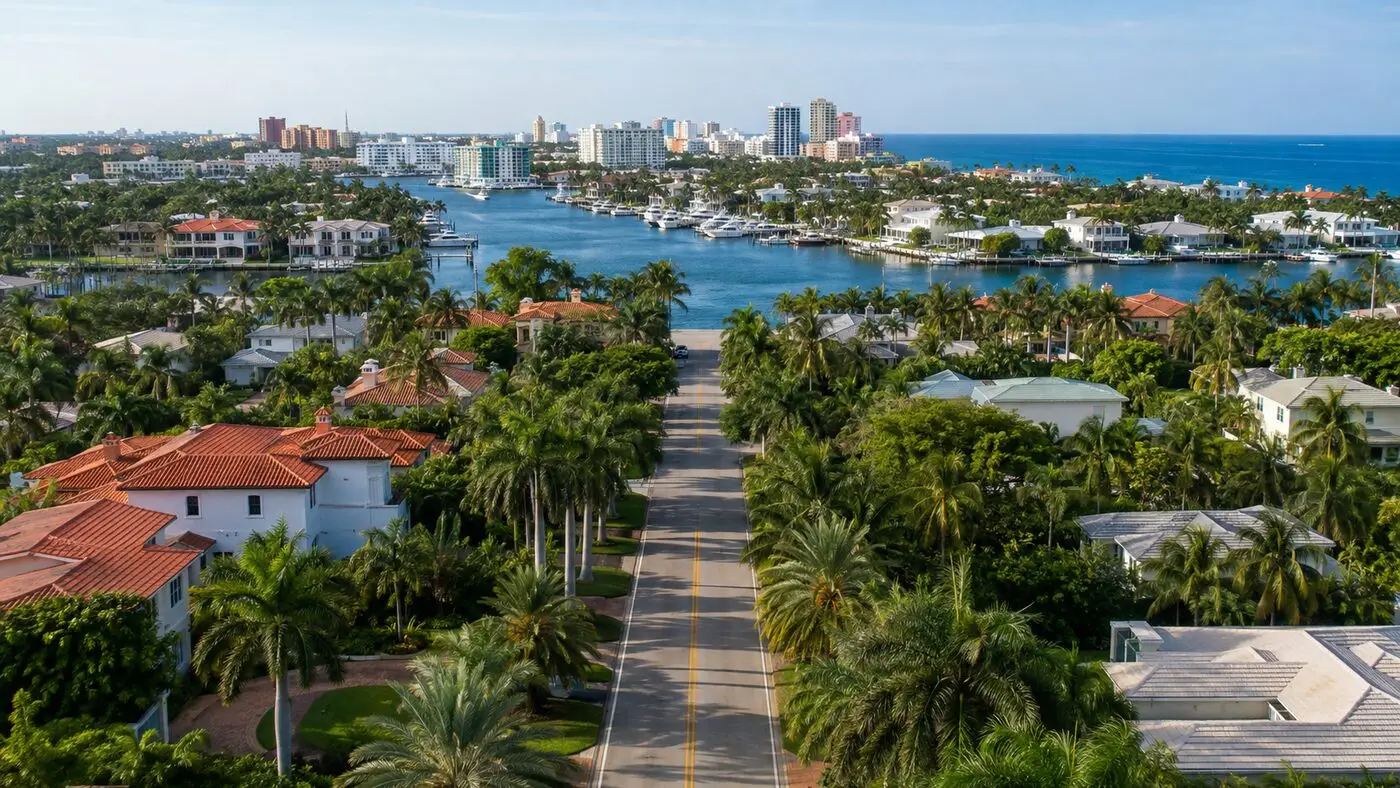
The short answer
West Palm Beach holds several very different housing markets inside one city limit. Downtown condominiums, established inland neighborhoods, waterfront property, and newer communities farther west all share the same mailing city and compete for entirely different buyers.
- Decide on the setting before the house. Downtown, established neighborhood, or west of the turnpike are different decisions.
- For condominiums, the building’s finances matter as much as the unit — reserves, insurance, assessments, and leasing rules.
- Confirm the governing municipality. A West Palm Beach mailing address is not always the City of West Palm Beach.
- Flood exposure and insurance are property-specific. Check them early, not at closing.
The full picture
West Palm Beach is the county seat of Palm Beach County and covers a large, varied area. Because of that range, the city name on a listing tells you very little on its own. Two homes with the same mailing address can involve completely different property types, ownership costs, commutes, and maintenance responsibilities.
The useful comparison is not city against city. It is the specific neighborhood, building, or community against the way you actually plan to live.
The settings you are choosing between
Broadly, buyers here are deciding among four different experiences:
- Downtown and the waterfront. Primarily condominiums and mixed-use buildings, with proximity to the business district, cultural venues, and the Intracoastal. Expect shared governance, monthly fees, and building-specific rules.
- Established inland neighborhoods. Largely single-family homes, often with older housing stock. Roof age, electrical and plumbing systems, windows, and permit history deserve close attention.
- Newer infill and redevelopment. Mixed property types built or renovated more recently, sometimes with association structures attached.
- Communities farther west. Planned developments and larger lots, generally trading commute time for space and newer construction.
None of these is better than another. They carry different costs, different maintenance obligations, and different daily routines.
If you are considering a condominium
In a condominium purchase, you are buying into a set of shared finances as well as a unit. Review these during the applicable contract period:
- The current budget, reserves, and any pending or approved special assessments
- The association’s insurance coverage and what it does not cover
- Leasing restrictions, pet rules, vehicle rules, and the purchase-approval process
- Parking and guest access arrangements
- Planned or in-progress building work
Florida’s condominium requirements continue to develop. The state’s Division of Condominiums publishes current information about association records, milestone inspections, and structural integrity reserve studies. Confirm which requirements apply to the specific building rather than assuming based on its age or height.
If you are considering a single-family home
Older neighborhoods often offer larger lots and established landscaping, alongside systems that may be approaching the end of their service life. Ask about:
- Roof age, covering, and whether documentation exists
- Electrical panel type and any known concerns
- Plumbing material and prior repairs
- Windows, doors, shutters, and impact protection
- Permit history for additions, pools, and major work
Several of these affect insurance availability and cost, not just maintenance. That is why it is worth getting insurance guidance while you still have contract rights.
Confirm the actual municipality before you budget. Areas with a West Palm Beach mailing address may sit in unincorporated Palm Beach County or another jurisdiction. That affects taxes, utilities, permitting, and services. Verify with the Palm Beach County Property Appraiser rather than relying on the address.
Costs that do not appear in the list price
Two homes at the same price can cost very different amounts to own. Build your comparison from:
- Property taxes for a new owner — not the seller’s current bill
- Homeowners insurance and, where applicable, flood coverage
- Association dues, reserves, and any known assessments
- Maintenance on the roof, systems, lot, and pool
- Utilities and any municipal service charges
Florida property taxes are administered locally. The Florida Department of Revenue explains the system and directs owners to county property appraisers for property-specific figures. Discuss exemption and portability questions with the property appraiser directly.
For flood exposure, start with official federal mapping through the FEMA Flood Map Service Center, then get property-specific quotes and guidance from an insurance professional. A flood-zone designation does not describe every source of water risk or the full cost of available coverage.
Verify these directly
Details in this category change, and they should come from the responsible authority rather than a listing description:
- Schools — assignments, boundaries, programs, and transportation from the School District of Palm Beach County
- Municipal services, zoning, and permitting — from the City of West Palm Beach or the applicable jurisdiction
- County services and planned projects — from Palm Beach County
- Property records, assessed values, and exemptions — from the Property Appraiser
Housing choices should be supported with objective information applied consistently to every buyer. The U.S. Department of Housing and Urban Development explains the federal Fair Housing Act.
Visit more than once
Drive your real routes at the times you would actually travel them, including during the winter season when traffic patterns change. Observe parking, noise, lighting, drainage, and construction for yourself. A single daytime showing cannot answer every question about daily life in a particular block or building.
Common questions
Is downtown West Palm Beach mostly condominiums?
Downtown and the immediate waterfront are largely condominium and mixed-use buildings, while single-family housing is more common in the established neighborhoods inland and in communities farther west. The mix varies block by block, so compare specific buildings and streets rather than the district as a whole.
How do I find out what my property taxes would actually be?
The seller’s current bill reflects their assessment history and exemptions, not what a new owner would pay. Get a property-specific estimate from the Palm Beach County Property Appraiser, and ask them directly about homestead exemption or portability if either may apply to you.
Do I need flood insurance in West Palm Beach?
It depends on the specific property and, if you are financing, on your lender’s requirements. Flood zones are mapped property by property, and a lender may require coverage in a designated high-risk area. Review the FEMA mapping, then get quotes and guidance from an insurance professional for the actual address.